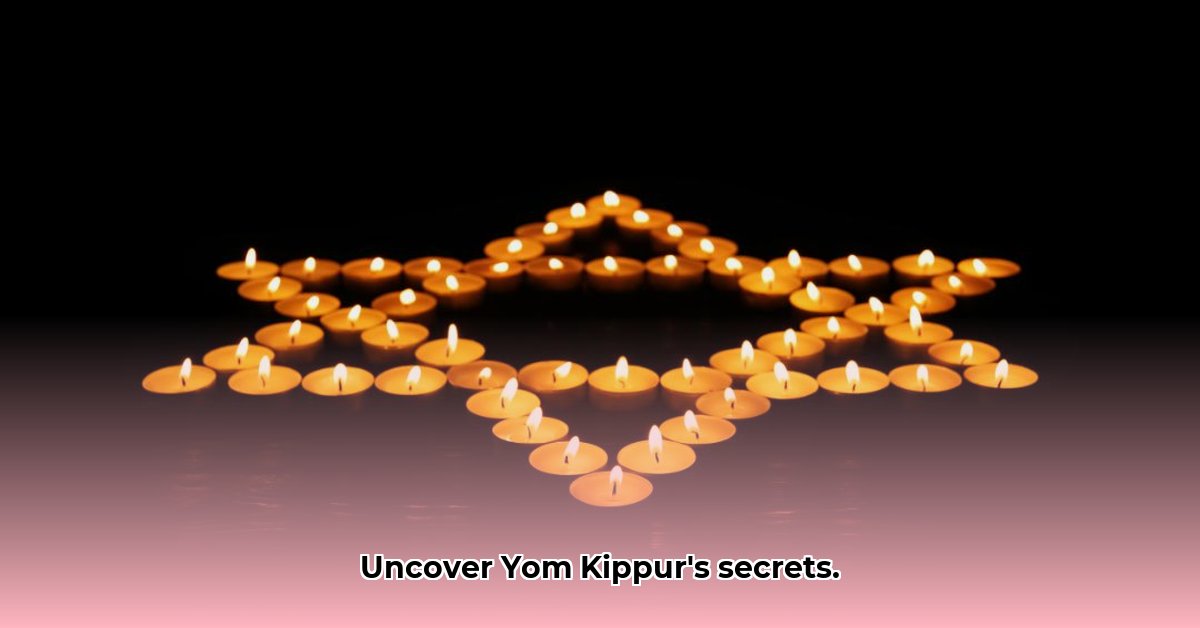
A Deep Dive into Yom Kippur: Repentance, Renewal, and Reconciliation
Grote Verzoendag, or Yom Kippur in Hebrew, is the holiest day in the Jewish calendar – a time for intense self-reflection, seeking forgiveness, and strengthening our connection with God and each other. It's not about somber judgement, but rather a powerful opportunity for personal renewal. This article explores Yom Kippur’s rich history, traditions, and contemporary significance, offering insights for both those familiar with the holiday and those encountering it for the first time. We’ll delve into the meaning of teshuva (repentance), the significance of fasting, and the communal nature of this deeply moving day.
Did you know that Yom Kippur’s fast isn’t about punishment, but a powerful symbol of humility and focus? It's a time to prioritize spiritual growth and strengthen our bonds with others.
A Day of Fasting and Focused Prayer: A Spiritual Spring Clean
Yom Kippur is a 25-hour fast, abstaining from food and drink. This isn't about deprivation; it's a powerful symbol of humility and self-discipline, allowing for intense focus on introspection and prayer. The fast is complemented by lengthy synagogue services filled with prayers for forgiveness and atonement – a deeply moving communal experience. These services are carefully designed to evoke the spirit of the ancient Temple rituals, creating a powerful atmosphere of reflection and spiritual connection.
A significant portion of the Yom Kippur liturgy focuses on specific prayers for forgiveness, highlighting the communal aspect of reconciliation and the shared human tendency towards errors.
From Ancient Temples to Modern Synagogues: A Journey Through Time
Historically, the Temple in Jerusalem was central to Yom Kippur, with the High Priest performing profound rituals. While these ancient ceremonies are no longer possible, their essence is preserved in modern synagogue services. The Kol Nidre prayer, for example, a poignant plea for forgiveness of unintentional broken vows, echoes this ancient tradition. This carefully structured service reflects centuries of evolution while retaining the spiritual core of the observance.
The Kol Nidre prayer, recited at dusk before Yom Kippur begins, is one of the most recognizable and moving elements of the service, offering a powerful reminder of our shared humanity.
Teshuva: True Repentance – A Journey of Self-Discovery
The heart of Yom Kippur is teshuva – repentance. This goes beyond simply saying "sorry." It's a profound process of self-reflection, encompassing genuine remorse (charata), a sincere desire for change, and a firm commitment to improvement. It involves acknowledging the impact of our actions, making amends where possible, and proactively striving for ethical behaviour. This personal journey is fundamental to the holiday's significance.
Rabbi Dr. Sharon Brous, spiritual leader of IKAR, a progressive Jewish community in Los Angeles, notes that “Teshuva is not a destination, but a lifelong journey of returning to wholeness.”
A Shared Journey: Yom Kippur and the Community's Role
Yom Kippur is profoundly communal. We acknowledge our shared responsibility for each other's wellbeing and the world around us. The communal prayers, shared fast, and collective reflection fosters a strong sense of unity and interconnectedness, reminding us of our shared humanity. This communal aspect strengthens the individual journey of teshuva.
Professor Moshe Halbertal, a renowned scholar of Jewish philosophy at Hebrew University of Jerusalem, emphasizes the importance of communal responsibility in fostering sincere repentance.
The Enduring Legacy: Beyond the 25-Hour Fast
The impact of Yom Kippur extends far beyond the day itself. It shapes the subsequent year, influencing our choices and actions. This day inspires greater compassion, strengthens community bonds, and motivates us to work towards a more just world. The lessons learned resonate long after the fast concludes, shaping our attitudes and behaviours.
Many individuals find that this time of reflection gives them a fresh perspective on their lives, fostering personal growth beyond its religious connotations.
Grote Verzoendag in Modern South Africa: A Time for Reflection
Even outside its religious context, Yom Kippur holds immense value in South African society. It offers a meaningful pause for reflection, amidst our often busy lives. Many South Africans, regardless of religious affiliation, find the quiet introspection beneficial, promoting personal growth and a sense of calm reflection. This focus on inner peace and self-improvement resonates deeply within the South African context.
More Than Just Rituals: The Profound Deeper Meaning of Yom Kippur
The true essence of Yom Kippur transcends the rituals. It's about personal growth and striving to become better human beings. The holiday underscores the importance of forgiveness – both of ourselves and others – and inspires us to build a more just and compassionate world.
The inherent focus on personal and collective betterment provides a meaningful framework for reflection and growth across diverse backgrounds.
Looking Towards the Future: Hope and Renewal
Yom Kippur is ultimately a day of hope and renewal, a chance for self-improvement and recommitment to living a more meaningful life. It's a continuous cycle of reflection, learning, and renewal – a lifelong journey of self-discovery and growth. The lessons learned continue long after the fast has ended, shaping our lives throughout the year. Indeed, the journey of teshuva is a lifecycle commitment.
How to Practice Teshuva Effectively During Yom Kippur
This section details actionable steps for engaging in teshuva during Yom Kippur.
Understanding Teshuva: A Multi-Step Process
Teshuva is a multi-faceted process:
- Honest Self-Reflection: Objectively examine your actions.
- Genuine Remorse (Charata): Feel the weight of your actions deeply.
- Confession (Vidui): Acknowledge your shortcomings, publicly or privately.
- Making Amends (Tikkun): Repair the harm you've caused, aiming for reconciliation where possible.
- Commitment to Change (Kavvanah): Commit to changing your behaviours for a better future.
These steps form a holistic approach to teshuva, allowing for genuine transformation.
Practical Steps for Meaningful Teshuva:
- Prepare in Advance: Begin reflection weeks beforehand.
- Seek Guidance: Consult a Rabbi or spiritual mentor for support.
- Practice Self-Compassion: Remember this is a journey of growth, not perfection.
- Engage in Prayer and Reflection: Use the liturgy as a personal reflection guide.
- Focus on the Future: While acknowledging past mistakes, focus on positive change ahead.
Key Takeaways:
- Teshuva is a journey, not a destination.
- Genuine remorse is key.
- Making amends is vital where possible.
- Commitment to change is paramount.
- Seeking guidance can be tremendously helpful.
[1]: MyJewishLearning https://www.myjewishlearning.com/ (Accessed October 26, 2023)